
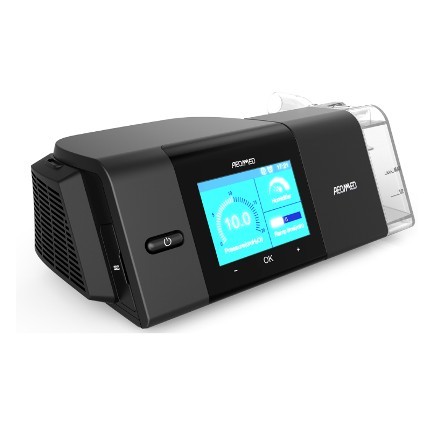

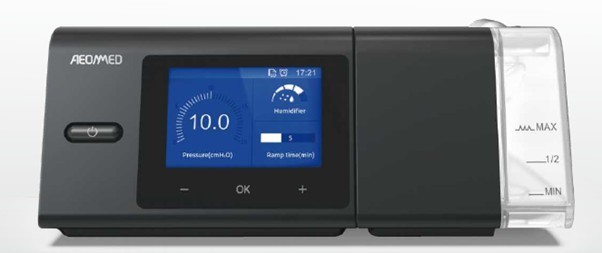
A CPAP (continuous positive airway pressure) machine is one of the most common treatments for sleep apnea. It keeps your airways open while you sleep so you can receive the oxygen you need. CPAP machines can significantly improve sleep quality and reduce your risk for a number of health issues, including heart disease and stroke.
CPAP stands for Continuous Positive Airway Pressure. It’s a treatment commonly used for people who have sleep apnea, especially obstructive sleep apnea (OSA).
Here’s how it works:
-
A CPAP machine delivers a constant stream of air through a mask that you wear over your nose or mouth while sleeping.
-
This air pressure keeps your airways open, preventing pauses in breathing that are characteristic of sleep apnea.
Key components of a CPAP system:
-
CPAP machine: Generates the air pressure.
-
Hose: Connects the machine to the mask.
-
Mask: Fits over the nose, mouth, or both. Comes in various styles (nasal, full face, nasal pillows).
-
Humidifier (optional): Adds moisture to the air to prevent dryness.
Benefits of using CPAP:
-
Reduces or eliminates snoring.
-
Improves sleep quality and daytime alertness.
-
Decreases risk of complications associated with sleep apnea (e.g., high blood pressure, heart disease, stroke).
Challenges or side effects:
-
Discomfort with the mask.
-
Dry mouth or nasal congestion.
-
Air leakage from the mask.
-
Skin irritation.
Tips for successful CPAP use:
-
Ensure the mask fits properly.
-
Use the humidifier if dryness is an issue.
-
Clean equipment regularly to avoid infection.
-
Work with a sleep specialist to fine-tune settings and mask choice.
Your provider will go over your options with you. They’ll also work with you to find the best type and fit of mask. Don’t hesitate to ask questions or voice your concerns. Some people end up trying a few different masks before they find the one that they like best.